

Every commercial and industrial building in the UK depends on its LV switchgear to distribute electricity safely. Knowing when to replace it can prevent fires, downtime and costly emergency repairs. This guide covers warning signs, decision thresholds and practical planning advice for facility managers and duty holders.
Key Takeaways
Most low-voltage switchgear installed in UK commercial and industrial sites has a practical life of around 20–30 years under normal conditions. Equipment condition plays a critical role in determining service life, alongside environmental conditions, loading, and proper maintenance.
- Main triggers for replacing existing electrical switchgear: age beyond 25–30 years, frequent electrical faults, overheating, damaged or corroded switchgear components, lack of spare parts, and changes in load or compliance requirements.
- Simply repairing ageing switchgear is not always safe or economical. When power circuit breakers, auxiliary circuits or the gear motor for spring charging have become obsolete, continued repair can introduce more risk than it removes.
- Modern LV switchgear systems, featuring air circuit breakers with electronic trip units, integrated monitoring, and improved internal segregation, significantly improve human safety, operational continuity, and the ease of periodic maintenance.
- LV Panel Gang can survey, specify and install new low-voltage switchgear systems for UK sites. Learn more about their switchgear systems and services.
What Is LV Switchgear and Why Does Its Condition Matter?
Low-voltage switchgear is the primary electrical distribution equipment in a building or site, operating at voltages up to 1,000 V AC. It protects equipment, distributes electricity to connected equipment and enables emergency switching and isolation.
Typical components include a main incoming air circuit breaker or moulded case circuit breaker, busbars, outgoing circuit breakers, changeover or ATS switches, surge protection, metering and auxiliary circuits including indication contacts and protection relays.
This electrical equipment forms the backbone of electrical installations in offices, factories, data centres, hospitals and industrial facilities. Failure can lead to fire, serious electric shock, extended outages and business interruption.
UK legislation reinforces why condition matters. The Electricity at Work Regulations 1989 require electrical systems to be maintained to prevent danger. BS 7671 and BS EN 61439 set technical standards for design, verification and inspection of voltage switchgear assemblies.
Typical Service Life of LV Switchgear
Low-voltage switchgear typically lasts 20 to 30 years. Many boards installed in the mid-1990s to mid-2000s are now at or approaching the end of life.
LV switchgear can last 40 to 60 years with proper maintenance, though this applies mainly to enclosures and busbars. Active components age faster: MCCBs often need replacing around 10–15 years, electronic trip units around 10–12 years, and capacitors in 5–8 years. Equipment age should not solely dictate replacement schedules-regular maintenance extends switchgear lifespan beyond 30 years, and switchgear lifespan can extend to 50–60 years with upgrades and modernisation.
Environmental conditions can significantly affect switchgear durability. Heat, moisture, dust, switching frequency and fault history all accelerate ageing. Manufacturers’ data and industry standards, such as BS EN 61439, can justify replacement intervals and planned programmes for modernising existing electrical switchgear.
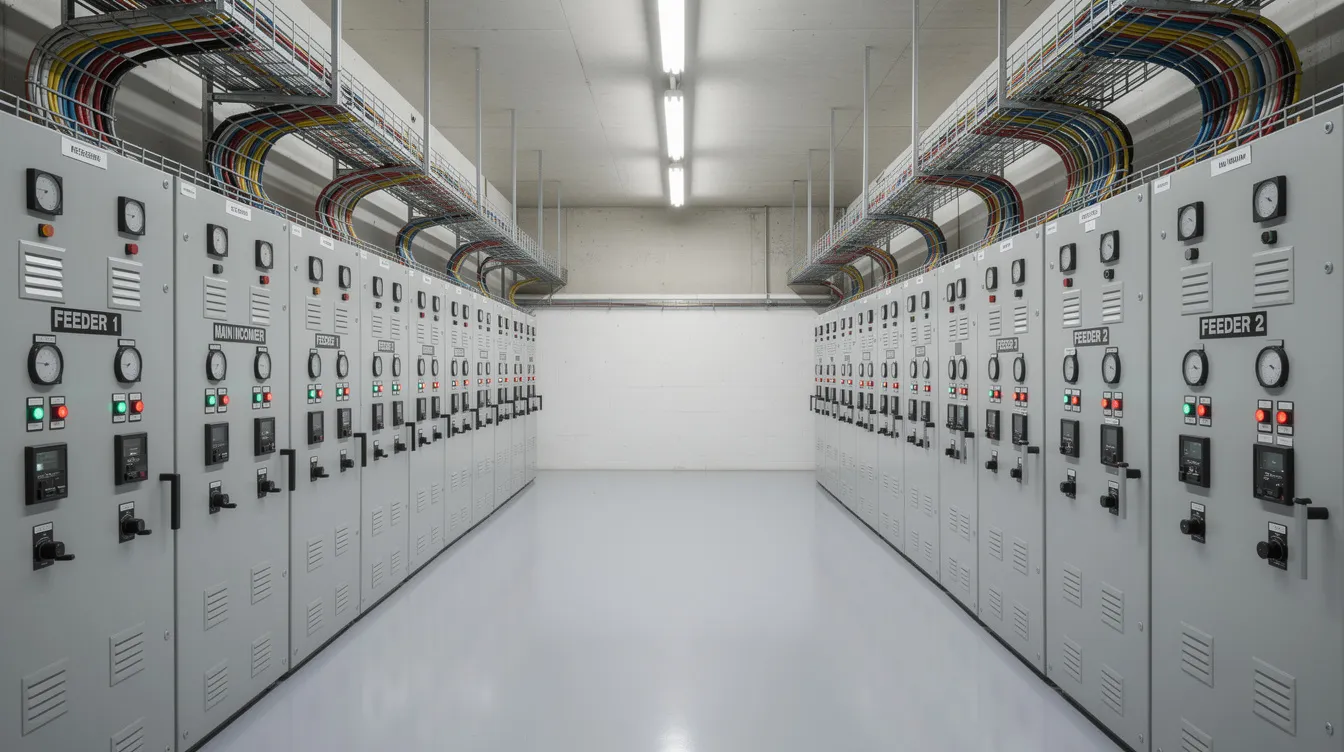
Key Factors That Shorten LV Switchgear Lifespan
Several factors cause existing electrical switchgear to age faster than expected:
- Persistent high load close to rated current, generating excess heat
- High fault levels and repeated short circuits stress contacts and arc chutes
- Environmental conditions can accelerate switchgear ageing and deterioration, such as moisture, chemical atmospheres, dust and poor ventilation
- Absence of preventive or conditional maintenance, and extended maintenance intervals
- High load environments increase stress and reduce switchgear lifespan, particularly with repeated manual switching of operating mechanism springs
Damage mechanisms include insulation degradation, contact wear in each circuit breaker, corrosion of terminals and busbars, and contamination within enclosures. Auxiliary wiring, gear motors, shunt releases and faulty accessories also deteriorate and become reliability weak points.
Sites with 24/7 operations, data centres, food production, and healthcare should review the condition of switchgear more frequently. Mechanical wear is important for frequently used switchgear.
Warning Signs Your LV Switchgear Is Reaching End of Life
Visible and test-based warning signs usually appear before catastrophic failure. A structured visual inspection and testing regime should identify them early. Common indicators for replacement include overheating and physical damage across multiple sections.
One or two minor issues may be repairable; multiple issues across the board signal that wholesale replacement is safer and more economical. Document signs during EICRs, maintenance visits and thermographic surveys to build an evidence-based case.
If duty holders are unsure whether defects are isolated or systemic, a targeted condition assessment by a specialist LV switchgear provider is advisable.
Frequent Electrical Faults and Nuisance Tripping
Frequent electrical faults indicate potential deterioration of internal components. Repeated tripping of circuit breakers without a clear downstream cause, or main incomers tripping during normal load-signals stress on both the protected circuits and the breakers themselves.
Ageing trip units, worn contacts and degraded insulation within the switchgear assembly can cause these symptoms. Simply resetting and carrying on is not acceptable under UK safety expectations. Historic fault records and BMS logs help quantify whether fault frequency supports a replacement decision, improving response time to emerging problems.
Overheating, Hot Spots and Odours
Overheating can signal connection issues or overloaded circuits. Look for discoloured busbar insulation, browning of cable terminations, melted plastic and a persistent burnt smell.
Thermal imaging can detect overheating in electrical components long before visible damage occurs. Persistent overheating often points to systemic issues-overloading, poor design margins, or widespread loose connections-and is a strong indicator that partial repair is no longer sufficient. HSE guidance treats evidence of thermal damage as a clear defect requiring remedial action, given the serious fire risk.
Obsolete or Unsupported Components
Spare parts may become obsolete and difficult to source over time. Obsolescence occurs when parts become unavailable after 15 to 20 years, affecting legacy air circuit breakers from the 1980s–1990s, early moulded-case breakers, and outdated control relays.
The lack of spare parts indicates it’s time to modernise the switchgear. Difficulty obtaining genuine spare parts, long repair lead times and the absence of retrofit kits make it harder to keep older switchgear systems safe. Obsolete components increase the risk of downtime for ageing switchgear. If a single failed breaker would take weeks to replace, then planned replacement of the entire system or section should be seriously considered.
Mechanical Wear and Operational Issues
Symptoms include stiff or seized operating handles, sluggish closing mechanisms, noisy gear motors and breakers that do not latch consistently. Lock-off and interlocking features can also wear or become mis-adjusted, undermining safe isolation.
In high-duty environments, frequent switching of large motors, UPS, or HVAC systems can exhaust mechanical life well before calendar age would suggest. When mechanical issues become widespread, replacement is usually a better option than piecemeal refurbishment to ensure safety and correct operation.
Visible Damage, Corrosion and Contamination
Switchgear should be replaced if it shows visible damage or corrosion, including dented doors, cracked insulating barriers, damaged cable shrouds, and broken hardware.
Corrosion on busbars reduces the safety and performance of switchgear. Damp basements, coastal locations and chemical atmospheres cause rust and green or white deposits on copper and aluminium. Contamination-dust build-up, metal filings, vermin evidence, compromises insulation and can lead to tracking or flashovers. Significant deterioration in main switchrooms or riser panels signals the need for comprehensive renewal, not just cleaning.

When Should LV Switchgear Be Replaced Rather Than Repaired?
Replacement should be considered when existing equipment is unsafe, uneconomical to maintain, or technically incapable of serving present and future loads. Increasing maintenance costs suggest that switchgear replacement is necessary, as costs increase with age and wear. Ageing switchgear increases the risk of failure and reduces reliability.
Key decision points:
- Age beyond 25–30 years
- Rising maintenance costs and call-out frequency
- Recurring defects on EICRs
- Lack of spare parts availability
- Significant changes in building usage, electrical power demand or fault protection requirements
For many UK sites with boards installed in the 1990s, full or phased replacement by 2030 is prudent risk management. A structured condition report from qualified personnel is the best basis for deciding between continued repair, retrofitting and replacement.
Repair, Refurbish, Retrofit or Replace? Choosing the Right Option
Minor issues on relatively modern switchgear can often be addressed with repair or partial refurbishment. Older equipment, heavily loaded or obsolete assemblies, typically warrant retrofit or full replacement. The structure and busbar system of a board may still be usable while active components are upgraded.
LV Panel Gang can review your existing electrical switchgear and propose a staged approach that minimises disruption and aligns with budget constraints. Whatever approach is selected must comply with BS EN 61439, BS 7671, and the Electricity at Work Regulations.
When Simple Repair Is Sufficient
Targeted repair suits isolated breaker failure on otherwise modern gear, as well as clearly identifiable loose connections or damage from a one-off event. Root-cause analysis is essential to ensure repairs aren’t masking wider ageing. Repeated repairs to the same circuits should prompt a broader review of the existing system’s condition.
Refurbishment of Existing LV Switchgear
Refurbishment returns existing equipment to its original, correct operating condition as closely as possible. Typical activities include cleaning and tightening connections, re-greasing mechanisms, replacing wear parts, functional testing and tidying auxiliary wiring.
Refurbishment suits assemblies that are still within design life, not heavily overloaded, and with good manufacturer support. However, modern safety requirements may not be economically achievable through refurbishment alone-it cannot increase short-circuit ratings or segregation Form beyond the original design.
Retrofitting Circuit Breakers and Protection Devices
Retrofitting replaces older circuit breakers and protection with modern equivalents within the existing switchgear framework. Examples include replacing obsolete air circuit breakers with modern circuit breakers equipped with electronic trip units or installing modern digital protection relays.
Benefits include improved fault detection, conditional maintenance via monitoring and enhanced adjustability. Retrofitting switchgear reduces production stoppage to under one hour in well-planned projects. Retrofit solutions must be type-tested or verified to ensure the power system remains compliant.
Full Replacement of LV Switchgear Assemblies
Full replacement removes the existing LV board and installs a new switchgear assembly designed to current industry standards and future capacity. This is best where there are widespread defects, obsolete technology, major refurbishments or large load increases.
Advantages include a new warranty, modern safety characteristics including arc-flash mitigation, integrated metering, power quality monitoring and easier future expansion. Full replacement requires detailed planning for shutdowns, temporary supplies, and phased changeovers to minimise disruption to operations.
Benefits of Replacing Ageing LV Switchgear with Modern Systems
Replacement is not just about avoiding failure-it improves safety, resilience and energy efficiency across the electrical installation.
- Safety: Modern switchgear improves arc fault protection, better fault discrimination ensures compliance, safer isolation and clearer labelling protects equipment and people in commercial buildings
- Operational: Modern switchgear has higher fault current ratings, supports increased loads (EV charging, new plant) and reduces unplanned outages
- Monitoring: Upgrading switchgear enhances monitoring capabilities, including integrated metering, power quality analysis and remote monitoring support for conditional maintenance strategies
- Sustainability: Reduced energy losses, better power factor correction and rationalised ageing equipment. Modernisation can extend equipment lifespan by improving maintenance efficiency
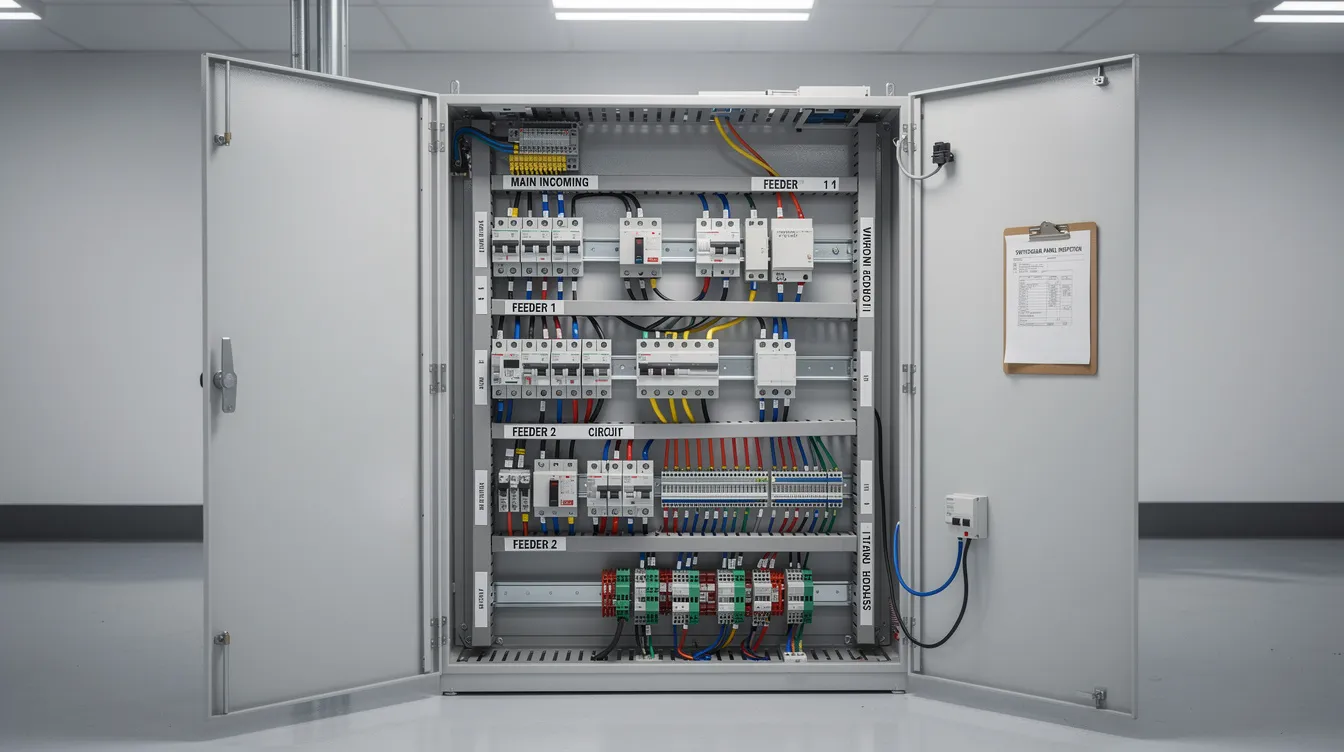
Planning LV Switchgear Replacement Proactively
Effective maintenance is crucial to ensuring reliability and longevity, but proactive planning helps avoid emergency replacements. Regular inspections should be part of the switchgear maintenance program, and routine assessments should include thermal imaging and insulation testing.
- Build an asset register: install dates, manufacturer types, fault ratings, maintenance history for each main LV board
- Commission periodic condition assessments and load surveys to inform a multi-year replacement plan
- Coordinate switchgear upgrades with other major works, generator projects, UPS installations, and chiller replacements
- Budget for phased replacement, starting with the most critical boards, to manage capital expenditure
Regular maintenance can extend the lifespan of switchgear systems, and periodic inspections are required to preserve switchgear safety characteristics. Follow manufacturers’ maintenance recommendations and align maintenance intervals with site criticality.
How LV Panel Gang Can Help with LV Switchgear Replacement
LV Panel Gang specialises in low-voltage switchgear systems for UK commercial and industrial sites, delivering cost savings through end-to-end project management.
Their service covers on-site survey, design and specification, manufacture and assembly, installation, testing, commissioning and ongoing support. Solutions include new main LV switchboards, panel boards, changeover and ATS systems, surge protection, power factor correction and custom Form 1–Form 4 assemblies.
LV Panel Gang can advise on whether retrofitting existing electrical switchgear or full replacement delivers the best outcome for each site, ensuring correct operation and compliance with current standards across your entire power distribution system.
Explore LV Panel Gang’s switchgear system services →
Useful Standards and Guidance for LV Switchgear Replacement
Replacement decisions should align with key UK and international standards to ensure safety and compliance:
- BS 7671 (IET Wiring Regulations) – overall electrical installation requirements, inspection and testing expectations
- BS EN 61439 – design and verification rules for low voltage switchgear and controlgear assemblies; new or modified switchboards must comply
- Electricity at Work Regulations 1989 – requires electrical systems to be maintained to prevent danger; HSE guidance provides practical interpretation
- GAMBICA technical guidance – supports understanding of Forms of separation, ratings and labelling for medium voltage and low voltage assemblies
Consult official sources such as the IET and HSE websites for up-to-date regulatory context rather than relying solely on manufacturer brochures.
FAQs: LV Switchgear Ageing and Replacement
These frequently asked questions address common practical concerns for facility managers, duty holders, and project teams managing ageing electrical switchgear at UK sites.
Age alone is not the only factor, but if your new equipment is now over 25–30 years old, uses obsolete breakers, and is showing recurring defects or failed EICR items, it is usually time to plan for replacement. Check original installation dates, model numbers and maintenance history. Sites with LV boards from the 1980s or early 1990s are generally strong candidates for modernisation, even if the older equipment has not yet failed catastrophically.
In some cases, it is technically possible to retrofit only the main incomer breaker, but this must be properly engineered, type-verified and compatible with the existing switchgear assembly. If other parts-outgoing breakers, busbars, insulation, auxiliary circuits-are also ageing, replacing only the main breaker may not address the wider risk. Seek specialist advice to determine whether a targeted retrofit or full replacement of the critical component is the most sensible option.
Disruption depends on site criticality, number of feeds and whether temporary supplies can be arranged. Well-planned projects use phased shutdowns, temporary generators, bypass boards, and out-of-hours work to minimise disruption. Experienced contractors coordinate closely with site operations teams to minimise outage windows.
While individual repairs appear cheaper in the short term, frequent call-outs, downtime and inefficiencies often make ageing switchgear more expensive over several years. Compare cumulative maintenance and outage costs against the capital cost of new equipment, factoring in safety and compliance risks. Newer systems may also deliver lower energy losses and improved power factor, bringing additional cost savings over the life of the installation.
UK law does not set a fixed age limit, but the Electricity at Work Regulations 1989 require that electrical systems are constructed, maintained and operated to prevent danger. If ageing LV switchgear can no longer be maintained safely or fails inspection, duty holders may be required to replace or upgrade it. Consult an NICEIC or ECA-registered contractor and refer to HSE guidance for site-specific advice on your obligations regarding medium voltage and low voltage electrical systems.

